


Your Essential Guide to Tinnitus

Dr Lau Chee Chong
Medical Director & Senior Consultant ENT Surgeon
MBBS (Singapore), FRCS (Edinburgh), FAMS (Singapore)

Tinnitus is often described as a phantom sound—a persistent ringing, buzzing, or hissing that exists without an external source. While it’s not a disease in itself, it serves as a crucial signal from your auditory system that a change has occurred, ranging from simple physical blockages to complex nerve sensitivity.
Understanding the internal mechanics of why these sounds manifest is the first step towards finding relief. By identifying the specific triggers and auditory patterns of the condition, you can move away from the frustration of phantom noise and towards an evidence-based approach that will restore your quality of life.
Common Causes of Tinnitus
Tinnitus isn't just a random glitch; it’s usually a direct result of a disruption in how your body processes sound. To understand why you’re hearing these noises, we have to look at whether the issue is a mechanical block or a deeper neurological shift.
The following factors are the most common culprits behind the ringing:
Sensorineural Damage
This occurs when the microscopic hair cells in your inner ear are damaged by age or loud noise. These cells start leaking random electrical signals to the brain, with the brain then interpreting this static as a constant ringing or buzzing.
Mechanical Blockages
A physical obstruction, like an impacted lump of earwax, can disrupt the ear’s natural conveyor belt and change the pressure on the eardrum. This interference often triggers a sudden onset of noise or a clogged sensation that persists until the blockage is cleared.
Localised Risk Factors
Issues in the nasopharynx—where the back of the nose meets the throat—can prevent the Eustachian tube from equalising ear pressure properly. If you're experiencing persistent ringing in just one ear, it's important that you undergo a specialised screening, as localised growths in this region can often mimic simple congestion.
Urban Environmental Factors
Constant exposure to Singapore’s city noise, such as heavy construction or high-volume headphone use, causes cumulative trauma to your hearing. This repetitive stress leads to threshold shifts, where the auditory system produces ringing as a sign that it hasn't had enough time to recover.
Symptoms of Tinnitus
Tinnitus is rarely a uniform sound; it can range from a sharp, high-pitched ring to a rhythmic whooshing that syncs with your heartbeat. By categorising these specific auditory sensations, we can better distinguish between simple mechanical issues and more complex nerve sensitivity:
- Auditory Variations: Tinnitus can manifest as a high-pitched ring, a low-frequency hum, or even a static-like hissing. These variations help distinguish between simple sensory overstimulation and permanent damage to the ear's nerve fibres.
- The Aircraft Sensation: Many describe a feeling of fullness or ear-popping similar to the pressure changes experienced during a flight. This sensation typically points to a mechanical issue with the Eustachian tube failing to regulate middle-ear pressure.
- Pulsatile Tinnitus: This is a rhythmic noise that beats in sync with your pulse, often sounding like a whooshing or thumping. It’s a distinct clinical sign that the noise may be vascular, originating from blood flow changes in the vessels near the ear.
- Unilateral vs. Bilateral: Distinguishing whether the sound is in one ear (unilateral) or both (bilateral) is a critical diagnostic step. While bilateral ringing is common with age or noise exposure, one-sided ringing potentially underlines a serious ear condition, requiring a targeted screening of the ear canal and nasopharynx.

Treatment Solutions for Tinnitus: Evidence-Based Management
While there is no universal cure, most cases of tinnitus can be significantly reduced or effectively managed. By moving from a general diagnosis to the specific clinical and behavioural strategies outlined below, we can address the root cause and minimise the noise's impact on your daily life:
Clinical Interventions
Medical treatments focus on physical ear health, using microsuction to clear obstructions or medications to reduce inner ear inflammation. If the noise stems from hearing loss, specialised hearing aids can be programmed to fill in missing frequencies, effectively masking the internal ringing.
Specialist Screenings
For cases involving one-sided sounds, a formal endoscopic examination of the nasopharynx or vascular imaging is essential. These screenings ensure that the tinnitus isn't a secondary symptom of a more serious underlying growth or a blood flow anomaly that requires targeted medical attention.
Habituation & Sound Therapy
This behavioural approach uses Tinnitus Retraining Therapy (TRT) or white noise generators to train the brain to filter out the sound. By introducing a neutral background frequency, we can decrease the contrast between the silence and the ringing, eventually making the noise less noticeable.
Managing Systemic Causes
Ringing is often a byproduct of broader health issues like high blood pressure, anemia, or high stress levels that heighten nerve sensitivity. Addressing these systemic factors through lifestyle changes or medical management can lower the overall volume and intensity of the auditory static.
Preventive Measures: Protecting Your Auditory Health
While many cases of tinnitus can be managed, the most effective approach is to prevent the physical and neurological damage before it starts. By adopting the following core habits, you can significantly reduce the risk of developing or worsening internal noise:
The No-insert Rule
Protect your ear’s natural conveyor belt by avoiding cotton swabs or ear diggers that push wax deeper into the canal. This prevents the formation of impacted lumps and unnecessary pressure on the eardrum, which are common mechanical triggers for sudden noise.
Noise Hygiene
Reduce cumulative trauma by wearing ear protection in loud environments and following the 60/60 rule for headphones. Giving your ears consistent recovery time prevents threshold shifts and the permanent hair cell damage that leads to chronic sensory ringing.
Vascular Maintenance
Since pulsatile tinnitus is often tied to blood flow, managing systemic health through regular exercise and a low-sodium diet is essential. Keeping your blood pressure stable reduces the turbulence in vessels near the ear that can manifest as a rhythmic thumping or whooshing.
Proactive Screening
Don't wait for symptoms to become severe before seeking a professional evaluation of your auditory system and nasopharynx. Periodic check-ups can catch localised mucosal issues or growths early, ensuring that minor congestion doesn't develop into a persistent chronic condition.
Take Control of Your Auditory Health
Restoring your peace of mind from persistent tinnitus requires a balance of expert clinical diagnosis and a structured management path. By addressing auditory symptoms early—especially one-sided ringing—you can prevent further complications and return to a higher quality of life with confidence.
At the Ear Nose & Throat Centre CCLau, we specialise in the comprehensive diagnosis of hearing disorders and the medical management of tinnitus. Dr Lau Chee Chong and our clinical team provides the personalised care and specialist expertise necessary to help you manage the intensity of tinnitus and protect your long-term hearing. If you are experiencing persistent ringing or ear discomfort, please contact us to schedule a comprehensive evaluation today.
Frequently Asked Questions (FAQs) About Tinnitus
Can earwax removal cure tinnitus?
Removal only works if a physical blockage is the direct cause of the sound. Impacted wax can press against the eardrum, creating mechanical noise that vanishes once the canal is cleared. However, if the ringing stems from nerve damage, clearing the wax will not stop the sound.
Why is the ringing only in one ear?
One-sided ringing is a clinical red flag because it often points to a localised issue rather than general age-related hearing loss. This symptom requires an endoscopic check of the nasopharynx to rule out growths or vascular anomalies. Unlike bilateral ringing, unilateral sounds suggest a specific structural disruption that needs targeted medical investigation.
Does coffee or alcohol make tinnitus worse?
While these substances don't cause the ear condition, their role as stimulants and vasodilators can significantly increase the perceived volume of the noise. They heighten nervous system sensitivity, making the brain more aware of the internal ringing. Reducing intake is a common strategy to lower the intensity of the auditory static you hear daily.
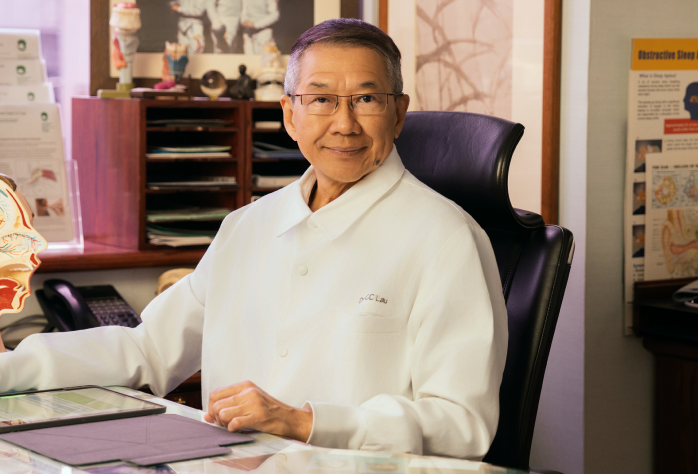
Dr Lau Chee Chong
Senior Consultant ENT Specialist
MBBS, FRCS (ENT) (Edinburgh), FAMS (ENT) (Singapore)
Dr Lau Chee Chong has over 30 years of experience gained across Singapore and the United Kingdom. Over the course of his career, he has worked in both public and private healthcare institutions and has served on various professional panels and organisations. He takes a patient and reassuring approach to care, with an emphasis on helping both adults and children feel comfortable and at ease throughout their treatment.

3 Mount Elizabeth, Suite 14-11 (14th Floor)
Mount Elizabeth Medical Centre
Singapore 228510


