


Why Does Chronic Sinusitis Keep Coming Back?

Dr Lau Chee Chong
Medical Director & Senior Consultant ENT Surgeon
MBBS (Singapore), FRCS (Edinburgh), FAMS (Singapore)

Chronic sinusitis symptoms often keep returning because the underlying inflammation, blockage, allergies, or sinus drainage issues have not been fully resolved. For many people, chronic sinusitis can feel like an ongoing cycle that never fully settles, making everyday activities, sleep, and even concentration increasingly frustrating. Understanding why chronic sinusitis keeps coming back may help you recognise when it is time to seek a more targeted and long-term approach to treatment.
Key Takeaways
- Chronic sinusitis is long-term sinus inflammation that lasts more than 12 weeks or keeps returning despite treatment.
- Common symptoms include nasal blockage, facial pressure, postnasal drip, headaches, and reduced sense of smell.
- Recurring symptoms are often linked to allergies, chronic rhinitis, nasal polyps, or structural sinus drainage problems.
- Long-term management focuses on reducing inflammation, improving sinus drainage, and avoiding triggers that worsen symptoms.
- Persistent or frequently recurring sinus symptoms may require assessment by an ENT specialist to identify underlying causes and treatment options.
What Is Chronic Sinusitis?
Chronic sinusitis is a condition where the lining of the sinuses remains inflamed for an extended period of time, usually lasting more than 12 weeks. Unlike a temporary sinus infection that improves after a short period, chronic sinusitis may continue to cause symptoms even after medications or home remedies.
The sinuses are air-filled spaces within the face that normally produce mucus to help keep the nasal passages clean and moist. When the sinuses become inflamed or blocked, mucus may not drain properly, leading to pressure, congestion, and discomfort.
Common symptoms of chronic sinusitis include:
- Persistent blocked or stuffy nose
- Facial pressure or pain
- Thick nasal mucus or postnasal drip
- Reduced sense of smell or taste
- Headaches or facial heaviness
- Persistent coughing, especially at night
Because symptoms can fluctuate, some people may feel temporarily better before the condition flares up again. This recurring pattern is one reason why chronic sinusitis can be difficult to manage without identifying the underlying cause.
Why Does Chronic Sinusitis Keep Coming Back?
Chronic sinusitis often keeps returning when the underlying inflammation, sinus blockage, allergies, or drainage problems have not been fully resolved. Ongoing irritation inside the sinuses may make it difficult for mucus to drain properly, causing symptoms to repeatedly flare up over time.
Several common factors may contribute to recurring chronic sinusitis:
Allergies and Chronic Rhinitis
Allergies and chronic rhinitis can continuously irritate the nasal passages and sinuses, leading to ongoing inflammation and congestion. This may increase the risk of persistent blocked nose, postnasal drip, and facial pressure.
Structural Sinus Blockage
Structural issues such as a deviated nasal septum or nasal polyps may narrow or block the sinus passages. When mucus cannot drain effectively, it may build up inside the sinuses and contribute to recurring symptoms or repeated sinus infections.
Environmental Irritants
Exposure to smoke, pollution, dust, or repeated respiratory infections may further irritate the sinuses and worsen chronic inflammation. Symptoms may become more noticeable after prolonged exposure to these triggers.
Underlying Medical Conditions
Some individuals may have conditions such as asthma or immune-related disorders that make chronic sinus inflammation more difficult to control. As a result, symptoms such as congestion, facial heaviness, postnasal drip, or reduced sense of smell may repeatedly return even after temporary improvement.
Signs Your Chronic Sinusitis May Need Medical Attention
Occasional sinus congestion during a cold or allergy flare-up is common, but persistent or recurring symptoms may indicate chronic sinusitis that requires further evaluation. When inflammation continues for prolonged periods, it can begin to affect sleep, concentration, breathing comfort and overall quality of life.
You should consider seeking medical attention if you experience:
- Sinus symptoms lasting longer than 12 weeks
- Frequent sinus infections that keep returning
- Persistent blocked nose or facial pressure
- Thick nasal discharge or ongoing postnasal drip
- Reduced sense of smell or taste
- Difficulty sleeping due to congestion
- Symptoms that continue despite medications or home remedies
How Is Chronic Sinusitis Treated Long-Term?
Long-term treatment for chronic sinusitis usually focuses on reducing ongoing inflammation, improving sinus drainage, and controlling triggers that may cause symptoms to return. Because chronic sinusitis often involves persistent irritation within the sinuses, treatment may require consistent management rather than temporary relief alone.
Managing Inflammation and Triggers
For some individuals, long-term treatment may involve controlling contributing conditions such as allergies or chronic rhinitis while reducing exposure to environmental irritants like smoke, pollution, or dust. Managing these triggers may help reduce ongoing sinus irritation and improve long-term symptom control.
Simple measures such as saline rinses, good nasal hygiene, and regular use of prescribed medications may also help improve mucus drainage and reduce recurring congestion, facial pressure, and postnasal drip.
ENT Assessment and Further Treatment
When symptoms continue despite medications or lifestyle adjustments, ENT assessment may help identify underlying structural issues or persistent inflammation contributing to chronic sinusitis. In some cases, further treatment may be recommended to improve sinus drainage and reduce recurring flare-ups.
Because chronic sinusitis may involve multiple underlying causes, early and consistent management may help improve breathing comfort, reduce symptom recurrence, and support better long-term quality of life.
Breaking the Cycle of Recurring Sinusitis
Chronic sinusitis can be frustrating when symptoms keep returning despite temporary relief. Identifying underlying triggers and seeking appropriate treatment early may help reduce recurring flare-ups and improve long-term comfort, breathing and overall quality of life.
Ear Nose & Throat Centre CC Lau is a specialist clinic in Singapore that provides comprehensive care for adults and children with a wide range of ear, nose, and throat conditions, including chronic sinusitis and recurrent sinus problems. Led by Dr Lau Chee Chong, a senior consultant ENT specialist with over 30 years of experience, the clinic offers both medical and surgical management for sinus-related conditions, supported by advanced in-clinic diagnostic equipment and evidence-based treatment approaches. If you are struggling with chronic sinusitis despite medications or home remedies, schedule a consultation with us for a thorough evaluation and personalised treatment plan tailored to your condition.
FAQs About Chronic Sinusitis
Is it normal for one side of the nose to feel more blocked?
Temporary changes in airflow between nostrils can occur normally, but persistent blockage on one side may require medical evaluation to rule out structural issues or nasal polyps.
Can children develop chronic sinusitis?
Yes. Children can also experience chronic sinusitis, particularly if they have allergies, recurrent infections, or enlarged adenoids affecting sinus drainage.
Can untreated chronic sinusitis lead to complications?
Although uncommon, long-standing sinus inflammation may increase the risk of more significant infections or ongoing breathing and sleep-related problems if left unmanaged.
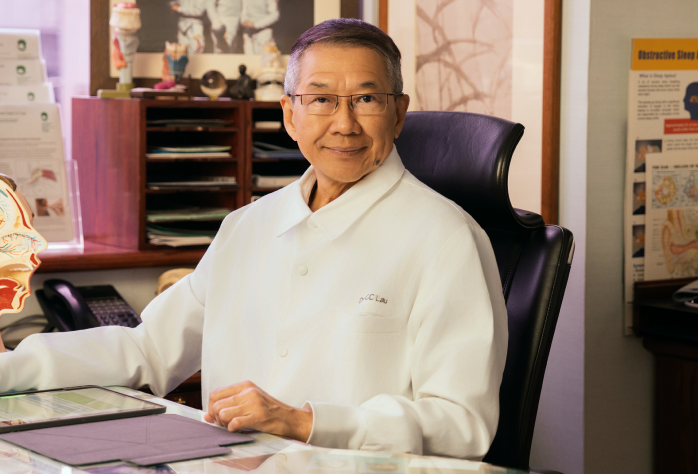
Dr Lau Chee Chong
Senior Consultant ENT Specialist
MBBS, FRCS (ENT) (Edinburgh), FAMS (ENT) (Singapore)
Dr Lau Chee Chong has over 30 years of experience gained across Singapore and the United Kingdom. Over the course of his career, he has worked in both public and private healthcare institutions and has served on various professional panels and organisations. He takes a patient and reassuring approach to care, with an emphasis on helping both adults and children feel comfortable and at ease throughout their treatment.

3 Mount Elizabeth, Suite 14-11 (14th Floor)
Mount Elizabeth Medical Centre
Singapore 228510


