


How Does Sleep Apnea Impact Your Day-to-Day Performance?

Dr Lau Chee Chong
Medical Director & Senior Consultant ENT Surgeon
MBBS (Singapore), FRCS (Edinburgh), FAMS (Singapore)

For many, sleep is a restorative and restful process—a vital window where the body and mind reset for the next day. However, for those living with obstructive sleep apnea (OSA), this period of rest is replaced by a constant nightly struggle for air. While you may believe you are sleeping, your body is actually stuck in a cycle of physical exhaustion because your airway is failing to stay open.
This structural failure means that even if you spend eight hours in bed, your brain is fighting for survival rather than resting. Instead of recharging, your system is forced into emergency breathing hundreds of times a night.
Given the severity of this condition, moving the conversation beyond just loud snoring is critical. We must address how this nightly oxygen deprivation sabotages your energy, mental clarity, and health—manifesting as a state of chronic functional impairment that follows you from the bedroom into your office and social life.
The Hidden Day-to-Day Impact of Sleep Apnea
Living with untreated obstructive sleep apnea is like trying to function while breathing through a straw. When your body is starved of oxygen throughout the night, the resulting exhaustion bleeds into every facet of your daytime routine, resulting in symptoms such as:
- Executive Dysfunction: Sleep fragmentation hits the prefrontal cortex hardest, creating a brain fog that sabotages your ability to focus or make high-level decisions.
- Mood & Irritability: Oxygen deprivation keeps your nervous system on high alert, often manifesting as a short fuse, morning grumpiness, or a sudden desire for social withdrawal.
- The Social Cost: Known as silent partner syndrome, your snoring often disrupts your partner's health as much as your own, frequently leading to sleep divorce and strained relationships.
The Micro-arousal Cycle: Why You’re Never Truly Resting
The reason you feel exhausted despite sleeping all night lies in a repetitive cycle of internal panic. Instead of recovering, your body remains in a state of high-stress vigilance to keep you alive:
- The Panic Reflex: When your airway collapses, your brain eventually realises you are choking and sends a sharp jolt of adrenaline to shock you awake just enough to gasp for air. This reflex prevents you from ever sustaining the deep, restorative REM stages required for cognitive repair.
- The Oxygen Gap: These intermittent drops in blood oxygen force your heart and organs into a perpetual state of survival mode. Because your system is focused on immediate oxygen intake, it never enters recovery mode, leaving you physically drained the moment you wake up.
Red Flags Beyond the Snore
While loud snoring is the most common indicator, OSA often leaves several silent markers that many people mistake for general aging or stress. These red flags are your body’s way of signaling that your airway is struggling:
- Morning Headaches: Waking up with a dull, throbbing ache is a classic sign of nighttime oxygen depletion. When your oxygen levels drop, your blood vessels dilate, leading to significant vascular pressure that greets you the moment you open your eyes.
- Nocturia: Frequent trips to the bathroom at night are often linked to the heart’s reaction to airway pressure. When you struggle to breathe, your heart is under immense strain and releases a hormone that signals the kidneys to produce more urine, repeatedly interrupting your rest.
- Memory & Focus: If you find yourself forgetting simple tasks or losing your mental edge, it is likely due to the lack of REM sleep. Without these deep cycles, your brain cannot properly consolidate memories or clear out metabolic waste, leaving you in a state of cognitive decline.
Breaking the Cycle: A Modern Toolkit for Relief
A visit to a specialist isn't just about a diagnosis; it’s about a customised strategy to reopen your airway. At ENT Centre CC Lau, we explore various tiers of treatment tailored to your specific anatomy and lifestyle, including:
- The Gold Standard (CPAP): Modern, quiet continuous positive airway pressure (CPAP) machines act as a pneumatic splint, using a gentle stream of air to keep the airway open throughout the night. This constant pressure prevents the soft tissues from collapsing, ensuring your blood oxygen levels remain stable while you sleep.
- Mandibular Advancement Devices: These customised dental appliances gently shift the jaw forward, creating more space in the throat to prevent the tongue from collapsing backward. By physically repositioning the lower jaw, these devices keep the airway wide and unobstructed without the need for a powered machine.
- Nasal & Throat Interventions: These procedures address the root of the block—whether by reducing enlarged turbinates to improve airflow or stiffening floppy palate tissue to stop vibrations and collapse. These targeted surgical options aim to permanently correct the anatomical obstructions that cause snoring and apnea at the source.
- Positional Therapy: High-tech wearable sensors gently vibrate to keep you from sleeping on your back, preventing gravity-induced collapse and ensuring you stay in a side-sleeping position. This approach is particularly effective for patients whose airway only collapses when they are lying supine, offering a non-invasive behavioural fix.

Reclaiming Your Energy and Focus
When you finally address the structural causes of your sleep apnea, the transition from survival mode to recovery mode transforms your daily performance. Restoring your airway is the first step towards reclaiming the mental and physical edge you’ve been missing, with some of the benefits including:
- The Energy Surge: Once your brain and body receive consistent oxygen, you will experience a significant boost in cognitive function and alertness. This restoration allows your brain to finally complete the deep-sleep cycles necessary to flush out toxins and reset your nervous system for the day ahead.
- Long-term Health Gains: Treating OSA significantly reduces the chronic strain on your heart and metabolic system, lowering your risk of hypertension and cardiovascular disease. By stabilising your nighttime breathing, you prevent the recurring spikes in blood pressure that occur every time your body struggles for air.
Reclaiming Your Nights and Your Days
Sleep should never be a struggle for survival. When you address the structural root of obstructive sleep apnea, you aren't just silencing a snore; you’re ending a cycle of chronic exhaustion and protecting your long-term cardiovascular health. By moving beyond temporary fixes and seeking a targeted, clinical solution, you can finally transition from survival mode back into the restorative, high-energy life you deserve.
At the Ear Nose & Throat Centre CCLau, we specialise in identifying the exact site of your airway collapse to provide a treatment plan that actually fits your lifestyle. Whether you require a modern CPAP setup, a custom dental appliance, or a permanent surgical correction, Dr Lau Chee Chong, and our team are here to help you breathe easy again.
Ready to stop the cycle of chronic exhaustion? Book an appointment with us today to start your journey toward restorative sleep.
Frequently Asked Questions (FAQs) About Sleep Apnea
I don’t snore loudly; can I still have sleep apnea?
Yes, because silent apnea occurs when the airway is completely blocked or when you have Upper Airway Resistance Syndrome (UARS). In these cases, the struggle to breathe doesn't produce the typical vibration sound of snoring, yet your brain still suffers from the same oxygen deprivation and frequent micro-arousals that cause chronic daytime exhaustion.
Will I have to use a CPAP machine forever?
Not necessarily, as Continuous Positive Airway Pressure (CPAP) is just one of many options. While effective for immediate relief, many patients eventually transition to permanent alternatives like dental appliances or minimally invasive surgeries that physically widen the airway, potentially eliminating the need for a mask forever.
How does a specialist see my airway collapse?
Beyond a basic physical exam, specialists use advanced diagnostic tools like a flexible fiber-optic nasopharyngoscope to view the internal structures of your throat in real-time. This allows them to identify if the collapse is happening at the nasal level, the soft palate, or the base of the tongue, ensuring that your treatment plan targets the exact site of the blockage.
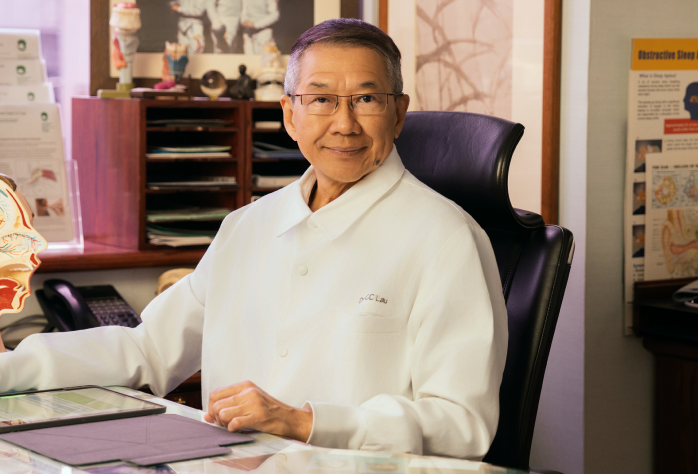
Dr Lau Chee Chong
Senior Consultant ENT Specialist
MBBS, FRCS (ENT) (Edinburgh), FAMS (ENT) (Singapore)
Dr Lau Chee Chong has over 30 years of experience gained across Singapore and the United Kingdom. Over the course of his career, he has worked in both public and private healthcare institutions and has served on various professional panels and organisations. He takes a patient and reassuring approach to care, with an emphasis on helping both adults and children feel comfortable and at ease throughout their treatment.

3 Mount Elizabeth, Suite 14-11 (14th Floor)
Mount Elizabeth Medical Centre
Singapore 228510


