


Surgical Treatments for Sleep Apnoea Beyond CPAP

Dr Lau Chee Chong
Medical Director & Senior Consultant ENT Surgeon
MBBS (Singapore), FRCS (Edinburgh), FAMS (Singapore)
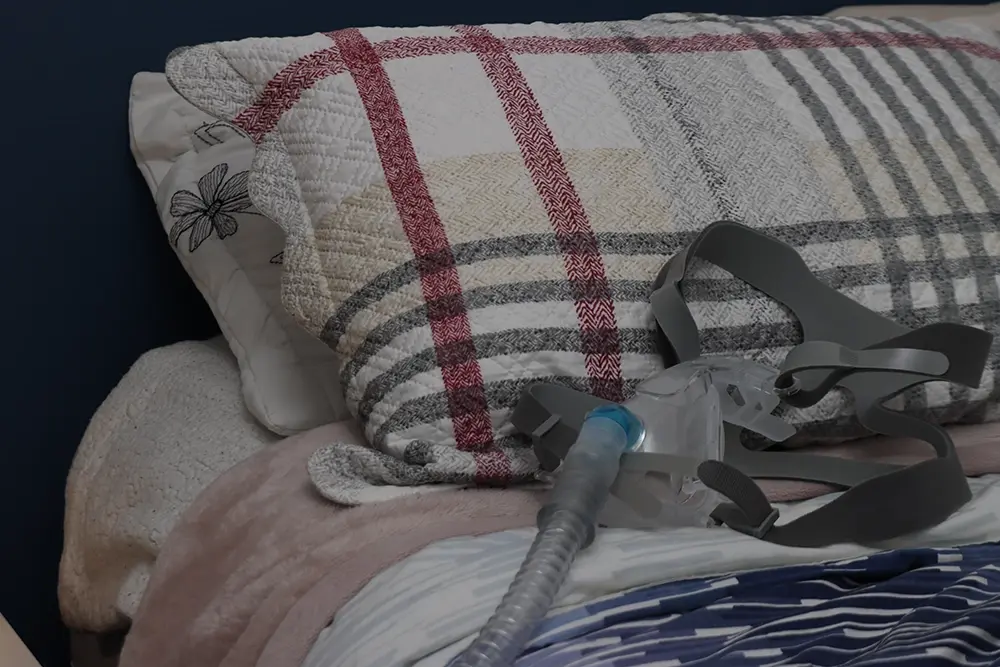
For many people with obstructive sleep apnoea, continuous positive airway pressure (CPAP) therapy can be difficult to tolerate over the long term due to discomfort, disrupted sleep or difficulty adjusting to the machine. When CPAP intolerance affects treatment consistency, ongoing sleep apnoea symptoms may continue to impact sleep quality, energy levels and overall health.
In some cases, surgical treatment may help address the physical airway obstruction contributing to sleep apnoea. Understanding how different procedures work may help patients explore alternative treatment options beyond CPAP therapy.
Why Do Some Patients Struggle With CPAP?
Continuous positive airway pressure (CPAP) therapy works by delivering pressurised air through a mask to help keep the airway open during sleep. While CPAP is commonly recommended for obstructive sleep apnoea, some patients may find it difficult to use consistently over the long term.
Common reasons for CPAP intolerance may include:
- Mask discomfort or air leakage
- Dry mouth or nasal irritation
- Difficulty adjusting to sleeping with the device
- Claustrophobia or anxiety while wearing the mask
- Disrupted sleep caused by noise or discomfort
- Feeling that sleep quality does not improve despite treatment
For some individuals, the underlying airway obstruction may also involve structural narrowing involving the soft palate, tongue or throat tissues. In these cases, surgery may sometimes be considered to physically widen the airway and reduce collapse during sleep.
CPAP intolerance does not necessarily mean sleep apnoea treatment has failed. Instead, further evaluation may help determine whether alternative therapies or surgical options may be more suitable.
How Can Surgery Help Treat Sleep Apnoea?
Sleep apnoea surgery aims to treat the physical airway obstruction contributing to breathing disruption during sleep. Unlike CPAP therapy, which temporarily keeps the airway open using air pressure, surgery works by widening or stabilising narrowed parts of the airway.
Obstruction in obstructive sleep apnoea can occur at different areas of the upper airway, including the nose, soft palate, tonsils, tongue base and throat walls. Depending on where the narrowing occurs, surgery may help remove excess tissue, reduce airway collapse or create more space for airflow during sleep.
For some patients who struggle with CPAP intolerance, surgical treatment may provide a longer-term, machine-free solution to managing sleep apnoea symptoms and improving sleep quality.
What Surgical Procedures Are Available for Sleep Apnoea?
Several surgical procedures may be used to treat obstructive sleep apnoea depending on the location and severity of airway obstruction. In some cases, a combination of procedures may be recommended to improve airflow and reduce airway collapse during sleep.
Uvulopalatopharyngoplasty (UPPP)
Uvulopalatopharyngoplasty (UPPP) is a procedure that removes or reshapes excess tissue around the soft palate and throat. This may help widen the upper airway and reduce obstruction behind the palate during sleep.
Tongue Base Reduction
Tongue base reduction aims to reduce excess tissue at the back of the tongue that may narrow the airway during sleep. By creating more space behind the tongue, the procedure may help improve airflow and reduce collapse of the airway during sleep.
Nasal Surgery
Some patients with sleep apnoea may also have nasal obstruction caused by conditions such as rhinitis, including allergic rhinitis and non-allergic rhinitis. Procedures such as septoplasty or turbinate reduction may help improve airflow through the nose and support more comfortable breathing during sleep.
Tonsil Surgery
Enlarged tonsils or chronic tonsillitis can contribute to airway narrowing in some adults with obstructive sleep apnoea. Removing the tonsils may help create more airway space and reduce obstruction during sleep.
Hypoglossal Nerve Stimulation
Hypoglossal nerve stimulation involves an implanted device that helps control tongue movement during sleep. The device stimulates muscles that keep the airway open, helping reduce airway collapse in selected patients with CPAP intolerance.
Who May Be Suitable for Sleep Apnoea Surgery?
Sleep apnoea surgery may be considered for patients who are unable to tolerate CPAP therapy consistently or continue experiencing symptoms despite treatment. Surgical treatment is usually recommended only after careful evaluation of the airway and sleep apnea severity.
Patients who may be suitable for surgery can include those with:
- Moderate to severe obstructive sleep apnoea
- Structural airway narrowing affecting breathing during sleep
- Enlarged tonsils, soft palate collapse or tongue base obstruction
- Persistent snoring and disrupted sleep
- CPAP intolerance or difficulty complying with long-term CPAP use
Before recommending surgery, doctors may perform sleep studies, airway examinations or endoscopic assessments to identify where airway obstruction occurs during sleep. Because airway anatomy differs from person to person, treatment plans are usually tailored to the individual’s symptoms, anatomy and overall health.

Explore Long-Term Solutions for Sleep Apnoea
For some patients with obstructive sleep apnoea, surgical treatment may provide an alternative when CPAP therapy is difficult to tolerate long-term. Because airway obstruction can vary from person to person, careful evaluation is important to determine which treatment approach may be most suitable.
Ear Nose & Throat Centre CC Lau is an ENT clinic in Singapore that provides specialist assessment and treatment for patients experiencing obstructive sleep apnea and other airway-related sleep disorders. The clinic is led by Dr Lau Chee Chong, who has been appointed to the Subordinate Courts' Medical Expert Panel and has delivered talks on ENT topics in Singapore, Australia, India and Malaysia. If you are struggling with CPAP intolerance, persistent snoring or ongoing sleep apnea symptoms, schedule a consultation with us to discuss suitable treatment and surgical options tailored to your condition.
FAQs About Surgical Treatments for Sleep Apnoea
Is sleep apnea surgery permanent?
Some surgical procedures may provide long-term improvement in airway obstruction and sleep apnea symptoms. However, long-term outcomes can vary depending on factors such as weight changes, ageing and overall airway anatomy.
Is sleep apnea surgery painful?
Some discomfort, throat soreness or swallowing difficulty may occur after certain sleep apnea procedures, particularly surgeries involving the throat or soft palate. Symptoms are usually temporary and managed with medication and postoperative care.
Can children undergo surgery for sleep apnea?
Yes. In children, enlarged tonsils or adenoids are common causes of obstructive sleep apnea, and surgery may sometimes be recommended depending on the severity of symptoms and airway obstruction.
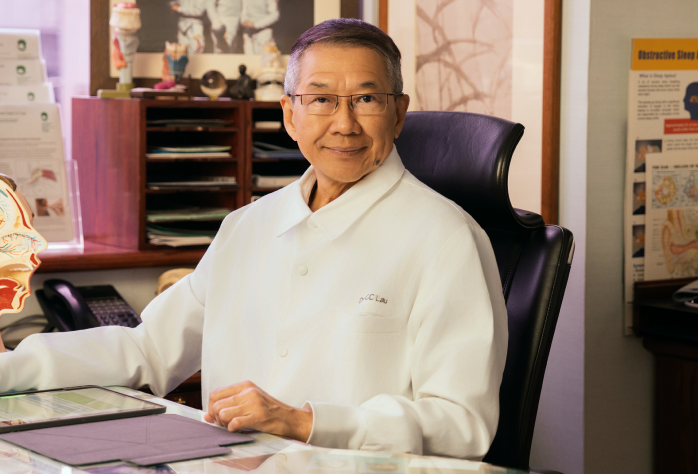
Dr Lau Chee Chong
Senior Consultant ENT Specialist
MBBS, FRCS (ENT) (Edinburgh), FAMS (ENT) (Singapore)
Dr Lau Chee Chong has over 30 years of experience gained across Singapore and the United Kingdom. Over the course of his career, he has worked in both public and private healthcare institutions and has served on various professional panels and organisations. He takes a patient and reassuring approach to care, with an emphasis on helping both adults and children feel comfortable and at ease throughout their treatment.

3 Mount Elizabeth, Suite 14-11 (14th Floor)
Mount Elizabeth Medical Centre
Singapore 228510


