


Adult Hearing Tests: Why Regular Testing Matters

Dr Lau Chee Chong
Medical Director & Senior Consultant ENT Surgeon
MBBS (Singapore), FRCS (Edinburgh), FAMS (Singapore)

Adult hearing tests matter because hearing loss often develops gradually and without obvious warning signs. Ageing, long-term noise exposure and certain medical conditions can all contribute to a slow decline in hearing. Regular testing helps detect these subtle changes early, before they begin to impact communication, relationships and cognitive function.
Identifying hearing issues at an early stage may create an opportunity for timely treatment and appropriate intervention. With proper management, your doctor may be able to address the underlying causes of these issues, reduce the risk of further decline and help you maintain long-term hearing health and overall quality of life.
How Common Is Hearing Loss in Adults?
Hearing loss[1.1] is one of the most common chronic health conditions affecting adults. Its prevalence increases as adults get older, particularly after the age of 50, but it can occur much earlier depending on lifestyle, occupational exposure and underlying medical conditions. These conditions can include:
- Meniere’s disease, a condition of the inner ear that can cause fluctuating hearing loss
- An acoustic neuroma, a non-cancerous growth on the nerve responsible for hearing or balance
- Eustachian tube dysfunction, where the tube connecting the middle ear to the back of the nose is blocked
Hearing loss may also be age-related and develop over time, instead of being caused by a disease. Long-term exposure to loud environments, such as construction sites, industrial workplaces or frequent use of personal audio devices at high volume, can accelerate damage to the eardrum. Medical conditions including diabetes, cardiovascular disease and recurrent ear infections may also contribute to declining hearing.
Because changes often happen slowly, many adults do not realise their hearing has deteriorated until communication difficulties become noticeable.
Early Signs of Hearing Loss You Should Not Ignore
The gradual progression of hearing loss makes changes difficult to notice from day to day. In many cases, the brain adapts by filling in missing sounds based on context, allowing conversations to seem manageable even when parts are not clearly heard.
As a result, adults may not recognise an underlying hearing problem until the signs become more noticeable.
Common early signs of hearing loss include:
- Frequently asking others to repeat themselves
- Difficulty following conversations in noisy environments
- Turning up the television or radio louder than others prefer
- Feeling that people are speaking unclearly or mumbling
- Struggling to hear high-pitched sounds such as doorbells or phone alerts
- Ringing or buzzing in the ears (tinnitus)
- Feeling tired after conversations due to increased listening effort
- Withdrawing from social situations because conversations feel challenging
If you recognise that you have been experiencing any of these tendencies, a professional hearing assessment can clarify the cause and guide the next steps.
What Happens During an Adult Hearing Test?
An adult hearing test is typically conducted in a specialist ENT clinic or audiology centre. The assessment is straightforward, non-invasive and usually completed within the same visit.
Pre-preparation
The process begins with a consultation. Your doctor will take your symptoms into account and take note of factors such as noise exposure, medications and any associated issues such as tinnitus, dizziness or ear fullness. This helps identify possible underlying causes that may require further investigation.
A physical examination of the ears is then performed using an otoscope or microscope to check for visible problems such as earwax blockage, infection or eardrum abnormalities.
Audiometry tests
Adult hearing tests are mainly conducted with pure tone audiometry.
This is performed by placing patients in a soundproofed room with headphones. A series of tones at different pitches and volumes will be played into each ear separately. You will be asked to indicate when you hear a sound. This test measures the softest sounds you can detect and determines the degree and pattern of hearing loss.
Speech audiometry may also be conducted. This assesses how well you can hear and understand spoken words at different volume levels. It helps evaluate how hearing loss affects real-world communication.
If necessary, additional tests may be performed. Tympanometry evaluates middle ear function by assessing eardrum movement and pressure changes. For certain cases, such as suspected nerve-related hearing loss or imbalance, imaging scans or specialised vestibular tests may be recommended.
Results
Once testing is complete, the results are explained in detail. Your doctor will discuss whether your hearing is within normal limits, the possible types of hearing loss present and suitable treatment options. These may include medical management, hearing aids such as cochlear implants or further investigations depending on the findings.
A comprehensive adult hearing assessment not only confirms whether hearing loss is present but also identifies its cause, allowing appropriate and timely management.

Why Early Detection Makes a Difference
Detection of hearing loss may allow intervention before communication difficulties begin to affect daily life. When identified at an early stage, some causes of hearing loss, such as infection, inflammation or middle ear problems, may be medically treated. Even when the hearing decline is permanent, early support has the chance of significantly improving outcomes.
Promptly addressing hearing loss can reduce the sense of strain and fatigue that develops when your brain has to interpret unclear sounds. Treating your hearing can help you to preserve clear speech recognition patterns, making it less stressful to engage in conversations.
Importantly, early detection provides clarity and peace of mind. Rather than adapting silently to worsening hearing, a hearing test can help you gain a clear understanding of your condition. Having a proactive and structured plan for management may support long-term hearing health and overall well-being.
Protecting Your Hearing for the Future
Your sense of hearing plays a vital role in communication, confidence and overall well-being. In order to preserve this health, regular testing is an important part of preventative care. Early identification of hearing loss may make it easier to provide appropriate treatment, whether the decline is age-related or linked to underlying conditions.
At the Ear, Nose & Throat Centre CC Lau specialist clinic, we provide comprehensive adult hearing evaluation under the care of Dr Lau Chee Chong, our Medical Director and Senior Consultant ENT Surgeon. Each assessment is supported by detailed clinical review and diagnostic testing to ensure accurate diagnosis and a personalised management plan for your healthcare needs.
If you have noticed abnormal changes in your hearing, contact us to book an appointment or seek medical advice promptly.
Frequently Asked Questions (FAQs) About Hearing Test
Who should go for adult hearing tests?
Adults aged 40 and above may want to consider a baseline hearing assessment, even if they do not notice obvious symptoms. Testing may be recommended every one to two years.
Those exposed to loud noise at work, living with chronic medical conditions such as diabetes or cardiovascular disease, or experiencing symptoms such as tinnitus, dizziness or difficulty following conversations should also seek evaluations even if they are under 40 years old.
Are adult hearing tests painful or uncomfortable?
Adult hearing tests are not painful. They are non-invasive and generally well-tolerated. Pure tone audiometry involves listening to sounds through headphones and indicating when you hear them. Tympanometry may create a brief sensation of pressure in the ear, but it is not painful.
How long does an adult hearing test take?
A comprehensive adult hearing evaluation typically takes between 30–60 minutes, depending on the complexity of your symptoms. The consultation, ear examination and audiometry tests are usually completed during the same appointment.
Can hearing loss be reversed?
Some forms of hearing loss, such as those caused by earwax blockage, infection or middle ear fluid, may be treated medically and improved. However, permanent inner ear damage is usually not reversible. In such cases, early intervention with hearing aids or other assistive devices can significantly improve communication and quality of life.
What happens if hearing loss is left untreated?
Untreated hearing loss may lead to communication difficulties, social withdrawal and increased listening fatigue. Over time, individuals may avoid conversations or social settings due to frustration. Research has also shown an association between untreated hearing impairment and cognitive decline. Early detection and management can reduce these risks and support overall well-being.
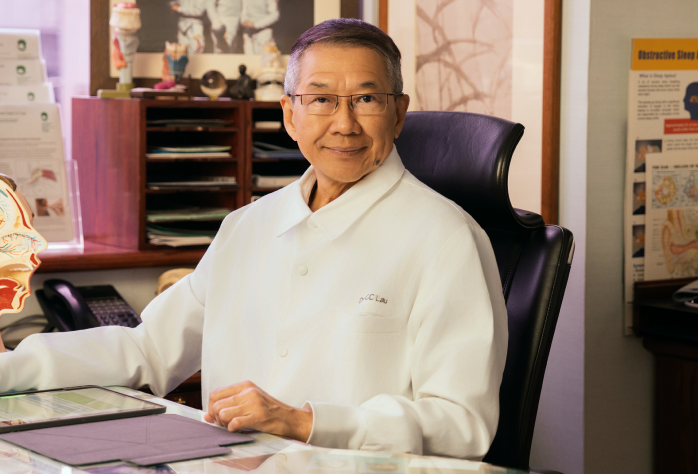
Dr Lau Chee Chong
Senior Consultant ENT Specialist
MBBS, FRCS (ENT) (Edinburgh), FAMS (ENT) (Singapore)
Dr Lau Chee Chong has over 30 years of experience gained across Singapore and the United Kingdom. Over the course of his career, he has worked in both public and private healthcare institutions and has served on various professional panels and organisations. He takes a patient and reassuring approach to care, with an emphasis on helping both adults and children feel comfortable and at ease throughout their treatment.

3 Mount Elizabeth, Suite 14-11 (14th Floor)
Mount Elizabeth Medical Centre
Singapore 228510


