


Sleep Apnoea & Snoring – Diagnosis & Treatment by Dr CC Lau

Understanding What Snoring and Sleep Apnoea are About
You are just about to drift off to sleep when a deep rumbling sound fills the room. Your partner is snoring again, and once more you lie awake counting the minutes until morning. For many couples, this familiar scene can turn restful nights into restless ones. Although snoring might seem harmless, frequent or loud snoring can disturb sleep and leave both feeling exhausted the next day. Over time, this lack of quality rest affects focus, mood, and energy levels, often without either person realising why. Snoring happens when the muscles of the throat relax during sleep, narrowing the airway, and causing the surrounding tissues to vibrate as air passes through. When this occurs repeatedly, the body is pulled out of deep, restorative rest, leaving the one snoring and his or her partner tired, irritable, and unable to concentrate during the day.
Sometimes, snoring is not just a noisy nuisance but a sign of a more serious condition known as sleep apnoea. The term simply means a pause in breathing during sleep and is spelled “apnea” in American English. There are three recognised types of sleep apnoea, though obstructive sleep apnoea (OSA) is by far the most common. OSA occurs when the airway becomes physically blocked, often because the tongue or soft palate collapses during sleep. The other two types, central sleep apnoea and complex sleep apnoea, are less common and usually related to neurological or mixed causes. Regardless of type, the result is the same: interrupted breathing that prevents proper rest and oxygen flow.
In Singapore, OSA continues to be a significant health issue. Back in 2012, the Singapore Health Study found that close to a third of adults here experience moderate to severe OSA. Although the study is more than a decade old, its findings remain relevant today, as newer national guidelines still identify OSA as a major and growing public health concern. Each time the airway closes, breathing stops for a few seconds, oxygen levels fall, and the body wakes just enough to start breathing again. Even if these awakenings go unnoticed, they fragment sleep and leave the person feeling unrefreshed. Understanding how and why airway blockages occur is key to recognising the early symptoms and seeking the right treatment, which begins with knowing what causes snoring in the first place.
What Causes Snoring?
Snoring can have many underlying causes, and these often differ from person to person. For some, it stems from structural issues within the nose or throat, while for others, it might be influenced by factors such as weight, sleep posture, or natural differences in airway anatomy. Rather than being a single condition, snoring usually results from a combination of these factors that restrict airflow during sleep.
To identify the cause of snoring accurately, Ear, Nose, & Throat (ENT) specialists often classify snoring based on the location of airway narrowing. The airway is divided into three main levels: the nose, the back of the mouth, and the throat. Determining which level or combination of levels is affected helps guide an appropriate treatment plan tailored to an individual’s condition.
Level 1 (Nasal Obstruction)
When airflow through the nose is restricted, pressure builds up in the upper airway and can trigger vibration in nearby tissues. This often occurs because of structural conditions such as a deviated nasal septum, enlarged turbinates, or nasal polyps, which partially block airflow. Treatment for nasal obstruction snoring might involve medical therapy to reduce inflammation or, in some cases, surgery to correct the underlying anatomical problem.
Level 2 (Back of the Mouth)
The back of the mouth, or oropharynx, is one of the most common areas where snoring develops. When the soft palate, uvula, or tonsils are enlarged or overly relaxed during sleep, they can narrow the airway and cause vibration as air passes through. This form of snoring often worsens with weight gain or natural age-related muscle changes. Management might involve lifestyle adjustments, oral appliances, or treatment procedures that modify or tighten excess tissue to improve airflow.
Level 3 (Throat Obstruction)
Snoring can also arise deeper in the throat when excess tissue or a large tongue narrows the airway. Obesity is a major contributing factor, as additional soft tissue around the neck and throat can compress the airway during sleep. This type of obstruction tends to produce louder snoring and might progress to obstructive sleep apnoea if ignored. Management or treatment might include weight reduction, positional therapy, or surgical options that help widen the airway and support smoother breathing.
What is OSA?
OSA, as mentioned earlier, is a type of sleep apnoea where breathing repeatedly stops and starts during sleep. This occurs when the airway becomes too narrow (obstructed) for air to move smoothly, limiting oxygen intake and disrupting the body’s natural sleep rhythm. As a result, the person experiences lighter, fragmented sleep instead of deep, restorative rest. Many remain unaware that this is happening, yet these interruptions gradually lead to daytime tiredness and poor concentration. Over time, the ongoing lack of oxygen and rest can also strain the heart and circulation, increasing the risk of high blood pressure, heart disease, and stroke.
The condition develops because the muscles and soft tissues of the throat relax more than they should during sleep. When this happens, the tongue or soft palate can fall backward and block the airway, even though the chest and diaphragm continue trying to draw in air. The brain then detects the drop in oxygen and briefly signals the body to wake just enough to reopen the airway before drifting back to sleep. This pattern repeats many times through the night and, therefore, prevents the body from completing full sleep cycles. As such, the person wakes feeling unrefreshed and might not realise that the constant strain on the body is linked to their interrupted breathing.
Common Symptoms of OSA
Symptoms of OSA can differ in severity, but they frequently include:
- Abrupt or frequent awakenings during sleep
- Breathing pauses noticed by a partner
- Choking or gasping for air at night
- Difficulty concentrating or memory lapses
- Dry mouth or sore throat upon waking
- Excessive daytime fatigue or sleepiness
- Frequent urination at night
- Headaches in the morning
- Loud or habitual snoring
- Mood changes such as irritability
Because OSA often develops gradually, its warning signs can easily be overlooked. Many people adjust to restless sleep or daytime fatigue without realising that these symptoms signal a deeper problem. When nightly interruptions in breathing persist, the body is deprived of oxygen and restorative rest, leading to strain on energy levels and overall health. To protect long-term wellbeing and quality of life, seeking early treatment from an ENT specialist can help prevent this type of sleep apnoea from worsening.
Risk Factors for OSA
A range of anatomical and physiological factors can increase the likelihood of developing OSA. Some are influenced by lifestyle, while others are inherited or occur naturally with age. Recognising these risks helps identify when to seek medical advice for proper diagnosis and care. Some key factors include:
- Ageing, which reduces muscle tone and increases tissue around the throat and tongue.
- Body weight, since excess fat in the neck can narrow the airway.
- Chronic heart or kidney disease, which might cause fluid buildup in the neck.
- Differences in facial or jaw structure, which can predispose the airway to narrowing.
- Endocrine or hormonal conditions such as hypothyroidism or polycystic ovary syndrome (PCOS).
- Family history or genetic predisposition related to skull and airway shape.
- Gender, as men are more commonly affected overall, while women’s risk increases after menopause.
- Smoking, which irritates and inflames the airway and affects its stability.
Although many of these factors develop gradually, their combined effect can quietly increase the risk of airway blockage during sleep. Some, such as age or genetics, cannot be changed, while others like weight, smoking, or hormone balance can be managed with professional guidance. When these risks accumulate, they place greater strain on the heart and circulation. To safeguard long-term health and prevent complications linked to this type of sleep apnoea, timely evaluation and treatment by an ENT specialist are advised.
How is OSA Diagnosed?
Confirming a diagnosis of OSA requires more than recognising symptoms alone. Because breathing disturbances happen during sleep, they often go unnoticed until proper testing is performed. As such, sleep apnoea diagnosis usually begins with a detailed consultation and examination by an ENT specialist, followed by sleep-based studies that record how the body functions during rest. These investigations confirm whether OSA is present, determine its severity, and guide the most suitable treatment plan.
Home Sleep Testing
For many patients, the first step in diagnosing OSA begins with home sleep testing. This convenient method allows assessment in the comfort of one’s own environment using a compact monitoring device that records airflow, oxygen variation, heart rate, and breathing rhythm during sleep. Although it captures fewer details than an in-lab study, it remains reliable for identifying moderate to severe sleep apnoea under professional supervision.
Before the test, the ENT specialist will provide clear instructions on how to use the device correctly to ensure accurate results. Once the recording is complete, the data is reviewed to identify patterns in breathing and oxygen changes. If the findings suggest more complex sleep disruption, an overnight study might then be recommended for a more detailed evaluation.
Overnight Sleep Study (Polysomnography)
During an overnight sleep study, or polysomnography (PSG), patients are monitored in a specialised facility to gain a detailed understanding of their sleep and breathing patterns. Just like the machine used at home, this setup measures airflow, heart rhythm, and oxygen levels, but it also tracks additional signals such as brain activity and muscle movement. These combined readings reveal how often breathing pauses occur and how they affect the depth and quality of rest.
After the study, the recorded data is analysed to identify subtle changes in sleep stages and breathing that might not appear in a home test. The ENT specialist then reviews the findings and explains how these insights relate to the patient’s overall condition and next steps in care. While home testing is useful for screening, in-laboratory studies remain the most accurate way to confirm diagnosis, assess severity, and guide appropriate sleep apnoea treatment planning.
Additional Airway Evaluation
While sleep studies can confirm the presence and severity of sleep apnoea, they don’t always show where the airway becomes blocked. Hence, the identification of the exact point of narrowing is the next step, as this helps the ENT specialist understand how airflow is disrupted during sleep. In some cases, additional procedures will be recommended to examine the airway more directly.
Among these, a nasopharyngoscopy is often performed in the clinic. It’s a quick procedure that uses a thin, flexible scope passed gently through the nose to view the nasal passages and throat, helping to detect areas that might narrow or collapse during breathing. When a closer look is needed, a sleep endoscopy can be carried out under light sedation to observe how the airway behaves in a sleep-like state. Together with findings from the sleep study, these assessments give a clearer understanding of the cause of obstruction and guide the next stage of treatment to improve breathing and restore restful sleep.
Treatment Options for Sleep Apnoea?
After nights of disrupted rest and daytime fatigue, treatment focuses on one clear goal: helping you breathe and sleep naturally again. Managing sleep apnoea is not only about reducing snoring, it’s about maintaining open airways, improving oxygen flow, and allowing the body to regain deep, restorative rest. To do this, the ENT specialist first evaluates what’s causing the airway to narrow and how severe the obstruction is, then recommends the most suitable approach. Some of the available treatment options include:
- Lifestyle Modifications - For mild cases, small changes can bring meaningful relief. Losing excess weight, avoiding smoking and drinking of alcohol before bedtime, treating nasal allergies, and sleeping on one’s side can all help maintain smoother airflow.
- Continuous Positive Airway Pressure (CPAP) - CPAP therapy uses a device that delivers a gentle stream of air through a mask to keep the airway open during sleep. For added comfort, Auto-CPAP and BiPAP machines automatically adjust pressure to follow natural breathing patterns.
- Dental Devices - Custom-made oral appliances reposition the lower jaw and tongue to prevent airway blockage. These are often recommended for mild to moderate sleep apnoea or for those who prefer an alternative to CPAP.
- Surgical Treatments - Surgery might be considered when anatomical issues in the nose, throat, or jaw cause obstruction, or when other methods do not bring enough improvement. Procedures can include nasal correction, removal of soft tissue, or jaw advancement to expand the airway and promote easier breathing.
If snoring, disrupted breathing, or fatigue persist despite these treatments, it might signal that further evaluation is needed to address the underlying airway issue. In Singapore, comprehensive sleep assessments and ENT consultations are readily available to help identify the cause and guide ongoing management of symptoms.
Improve Your Sleep Health with ENT Specialist Dr CC Lau
At the Ear Nose & Throat Centre CCLau, every consultation begins with understanding your sleep concerns, daily habits, and overall health. Led by Dr Lau Chee Chong, an experienced ENT specialist in Singapore, the centre takes a holistic approach to managing snoring and sleep apnoea. Through careful assessment and open communication, Dr Lau helps patients understand how disrupted sleep affects their wellbeing and what steps can be taken to restore deep, uninterrupted sleep.
With over three decades of clinical experience, Dr Lau combines precision medicine with a patient-focused approach to long-term recovery. Each treatment plan is guided by evidence and tailored to your specific condition, ensuring sustainable results and better quality of life. Contact us today to schedule a consultation and take the first step toward quieter nights, refreshed mornings, and lasting vitality.
Frequently Asked Questions About Snoring & Sleep Apnoea
What is the difference between snoring and sleep apnoea?
Sleep apnoea is a condition in which breathing repeatedly stops and starts during sleep, often with brief gasping, choking, or noticeable pauses. Snoring, by contrast, is the sound created when relaxed throat tissues vibrate as air moves past them. Loud snoring doesn’t always signal a medical problem, yet both can disrupt rest and leave you tired the next day. The essential difference is that sleep apnoea interrupts breathing and needs treatment, whereas snoring is sound without repeated breathing stoppages.
How can I tell if I might have sleep apnoea?
You might have sleep apnoea if you snore regularly and still wake feeling unrefreshed, even after what seems like a full night of sleep. Other common signs include breathing pauses noticed by a partner, gasping or choking during sleep, morning headaches, poor concentration, or feeling unusually sleepy during the day. When several of these symptoms occur together and persist over time, they suggest that your breathing may be disrupted at night and that a formal sleep assessment by an ENT specialist is recommended.
Is sleep apnoea harmful if left ignored?
Left unchecked, sleep apnoea can affect far more than just your sleep quality. Repeated drops in oxygen and constant interruptions to deep sleep place strains the heart and blood vessels. Over time, this raises the risk of high blood pressure, heart disease, stroke, and problems with mood, memory, and concentration. It can also increase the chances of work or driving accidents due to daytime sleepiness. Because of these long-term effects, proper diagnosis and treatment are important for protecting one’s health and safety.
How is sleep apnoea diagnosed?
Diagnosis for sleep apnoea usually starts with a consultation, where an ENT specialist reviews your symptoms and examines your airway. This is followed by a sleep study, either at home with a portable device or in a sleep lab with overnight polysomnography that monitors breathing, oxygen levels, and sleep stages. In some cases, additional tests such as nasopharyngoscopy or sleep endoscopy are used to pinpoint where the airway narrows, so that treatment can be planned more precisely.
What treatment options are available for sleep apnoea?
Treatment depends on how severe the sleep apnoea is and what is causing the airway to narrow. For milder cases, lifestyle changes such as weight management, treating nasal allergies, and adjusting sleep position might help. When symptoms are more significant, options can include oral appliances that reposition the jaw, CPAP therapy to keep the airway open with gentle air pressure, or surgery to correct structural problems in the nose, throat, or jaw.
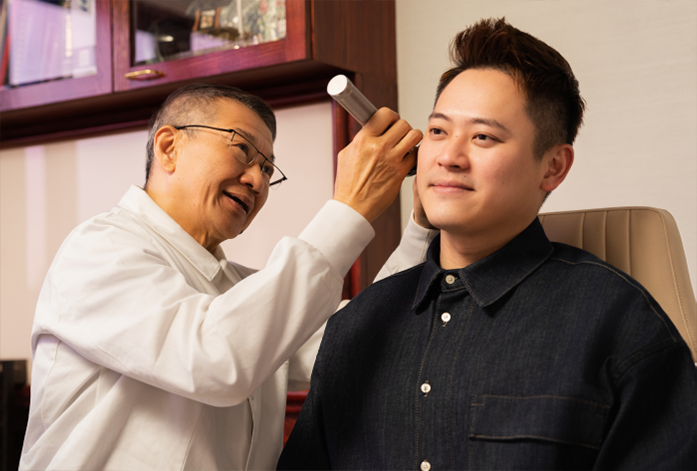
Dr Lau Chee Chong
Medical Director & Senior Consultant
ENT Surgeon – Ear, Nose, Throat, Head & Neck Surgery
MBBS (S’pore), FRCS (Edinburgh), FAMS (ENT)
Dr Lau Chee Chong is an experienced ear, nose, and throat (ENT) doctor at Mount Elizabeth Centre, treating both adults and children. With over 25 years of specialist experience, he holds surgical and visiting rights at all private hospitals in Singapore.
Dr Lau's practice covers the full spectrum of ENT, head, and neck care—including diagnostic, medical, and surgical management. He has a particular interest and expertise in treating snoring, sleep apnoea, and other sleep-related breathing disorders in both adults and children.
Our Singapore ENT clinic specialises in the end-to-end management of all ear, nose, and throat conditions while keeping the best ENT practices in mind.


3 Mount Elizabeth, Suite 14-11 (14th Floor)
Mount Elizabeth Medical Centre
Singapore 228510


